The Samurai and the Prisoner [Fantasia International Film Festival Review]
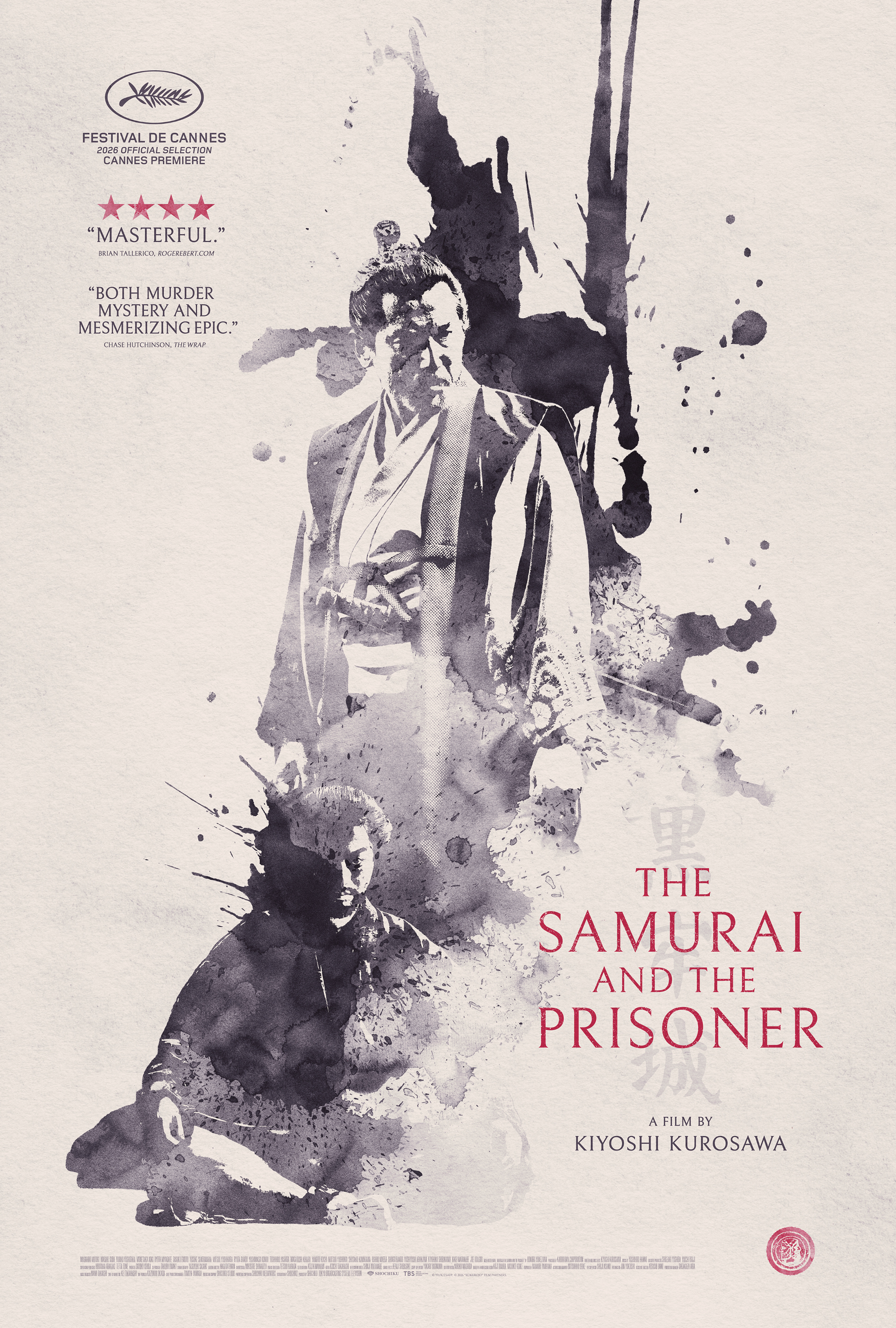
The Samurai and the Prisoner sounds like it could be the title for a thrilling action movie. In reality, there’s only a little swordplay in director Kiyoshi Kurosawa’s historical epic. This cerebral drama does, however, contain enough mystery and intrigue to fill several films. It screened at the 2026 Fantasia International Film Festival.
Lord Murashige Araki (Masahiro Motoki) has taken the unexpected step of separating from his former lord, Nobunaga Oda (Bando Shingo). The two have fundamental leadership differences. Murashige shows mercy to people who wrong him; Oda is ruthless and tyrannical. Now holed up inside his castle, Murashige finds himself facing a series of mysteries that create confusion among the ranks, starting with the unexplained murder of a child. For help solving them, he turns to Kanbei Kuroda (Masaki Suda), an envoy of Oda’s whom he has imprisoned. Kanbei is a master strategist whose observations lead to the revelation of shocking secrets.
At the center of The Samurai and the Prisoner is the idea that someone within Murashige’s fortress is sabotaging him. He does not know who they are or why they are determined to undermine him. The situation is already tense, as there are constant rumors that Oda will attack. When nobody can be trusted inside the walls of the fortress, Murashige’s ability to properly plan becomes diminished. Trusting Kanbei, who frankly has no real motivation to help, is the key to holding everything together.
Kurosawa draws out the suspense beautifully. Most scenes consist of long, unbroken shots that allow the actors to create palpable moments of uncertainty. Without a ton of editing, the performances take on a nervous quality. That sort of anxiety can certainly be achieved through cutting, but giving the cast members room to generate it on their own makes it especially powerful. You can feel Murashige struggling to contain the chaos.
Remarkable production design adds to the effect. Great care has been put into recreating the feel of 16th century Japan. That extends to the portrait of the samurai. Kurosawa takes time to show a few of their customs and rituals, including an oddly spellbinding sequence where Murashige delicately makes a cup of tea for one of his men. Codes of honor are frequently spoken about, reminding us that these mysteries are unfolding within a very controlled, structured world that depends on a distinct lack of mystery. The movie has been immaculately made.
The 147-minute length might seem excessive, except that each new dilemma Murashige must address keeps you captivated. The story contains layers upon layers, ensuring there is always something happening for the viewer to analyze. All of it builds to a dynamic revelation at the end – one that adds another element of mystique to what we’ve already witnessed.
At the center is the Murashige/Kanbei alliance, an uneasy collaboration that evolves in a fascinating manner. Masahiro Motoki and Masaki Suda build a rapport that drives The Samurai and the Prisoner, making it a forceful, riveting film about how times of extreme stress can forge unlikely bonds.
out of four
The Samurai and the Prisoner is unrated, but contains mild violence. The running time is 2 hours and 27 minutes.
© 2026 Mike McGranaghan