Mineshaft: The Cruising Murders [Tribeca Festival Review]
Mineshaft: The Cruising Murders will satisfy fans of true crime documentaries and cinema buffs alike. The film, directed by Jeffrey Schwarz, premiered in the Spotlight Documentary section of the 2026 Tribeca Festival. It takes a close look at the brutal murder that inspired one of the most controversial motion pictures ever made, as well as the aftermath of that controversy. Eighty-four minutes fly right by because of how engrossing and emotional the subject matter is.
The documentary begins by detailing the tragic demise of Addison Verrill, a film critic for Variety. He was in a relationship with entertainment lawyer Bob Geary, who appears to talk about his late partner. Despite their coupling, Verrill would often engage in random hook-ups before coming home at the end of the day, leading to an eventual breakup. Shortly thereafter came word that he was slain by one of the men he hooked up with. That man was Paul Bateson, a radiographer who appeared in a scene of William Friedkin’s The Exorcist four years prior.
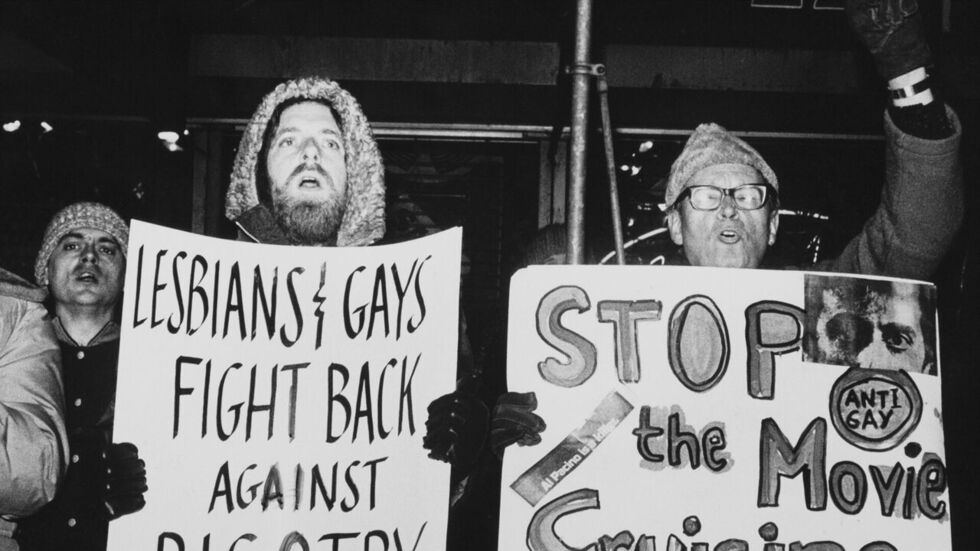
Friedkin was struck to find out somebody he’d worked with had committed murder, so he began to look into the circumstances. This gave him the idea for Cruising, the 1980 Al Pacino-starring thriller about a NYC cop who goes undercover in the city’s gay S&M bars to sus out a killer. When Village Voice writer Arthur Bell got an early look at the screenplay, he deemed it homophobic and led a grassroots protest that disrupted both the filming and release of Cruising.
This material is recounted through incredible archival footage of activists disrupting production and picketing outside of theaters. A host of interviewees help set the stage, first detailing what the gay scene was really like in the ‘70s, then elucidating on why there were significant fears that Cruising would inspire real-life violence toward gay men. (Audio from the late Friedkin offers his perspective.) What comes across powerfully is that, at a time when no major studio had dealt so openly with the subject of homosexuality, there was resentment that this particular film painted a negative portrait of the community, in spite of Friedkin’s efforts to authentically capture the atmosphere of S&M bars like the Mineshaft. There is a mournful quality to the documentary, as participants recall a scene that was fun, open, and accepting - except on the screen.
Hearing about Verrill’s murder is heartbreaking. Schwarz gives time to Bateson toward the end, too. A close friend describes Bateson’s prison time and eventual release, attempting to dispel the idea that he was a monster, regardless of his actions. In the end, you come away with a sense that everything about Cruising was tragic. It sprang from a tragic event, hurt an entire community, and sent a man to prison. Friedkin’s reputation took a hit, and Pacino was so displeased by the final product that he refused to promote it.
For better or worse, Cruising is a landmark film in cinema history. It may have presented a less than flattering portrait of gay men, but it was an early example of Hollywood portraying gay characters in a non-comedic way, and it paved the way for future gay filmmakers to tell the stories they want to tell. Mineshaft: The Cruising Murders helps you understand the impact a single misguided movie can have.
Mineshaft: The Cruising Murders is unrated, but contains strong language and sexual content, plus graphic descriptions of violence. The running time is 1 hour and 24 minutes.

© 2026 Mike McGranaghan