"Black Zombie" and "Blaise" [Fantasia International Film Festival Reviews]
Here are two mini-reviews of worthy movies I saw during the 2026 Fantasia International Film Festival. They provide a good idea of how diverse the event’s programming is.
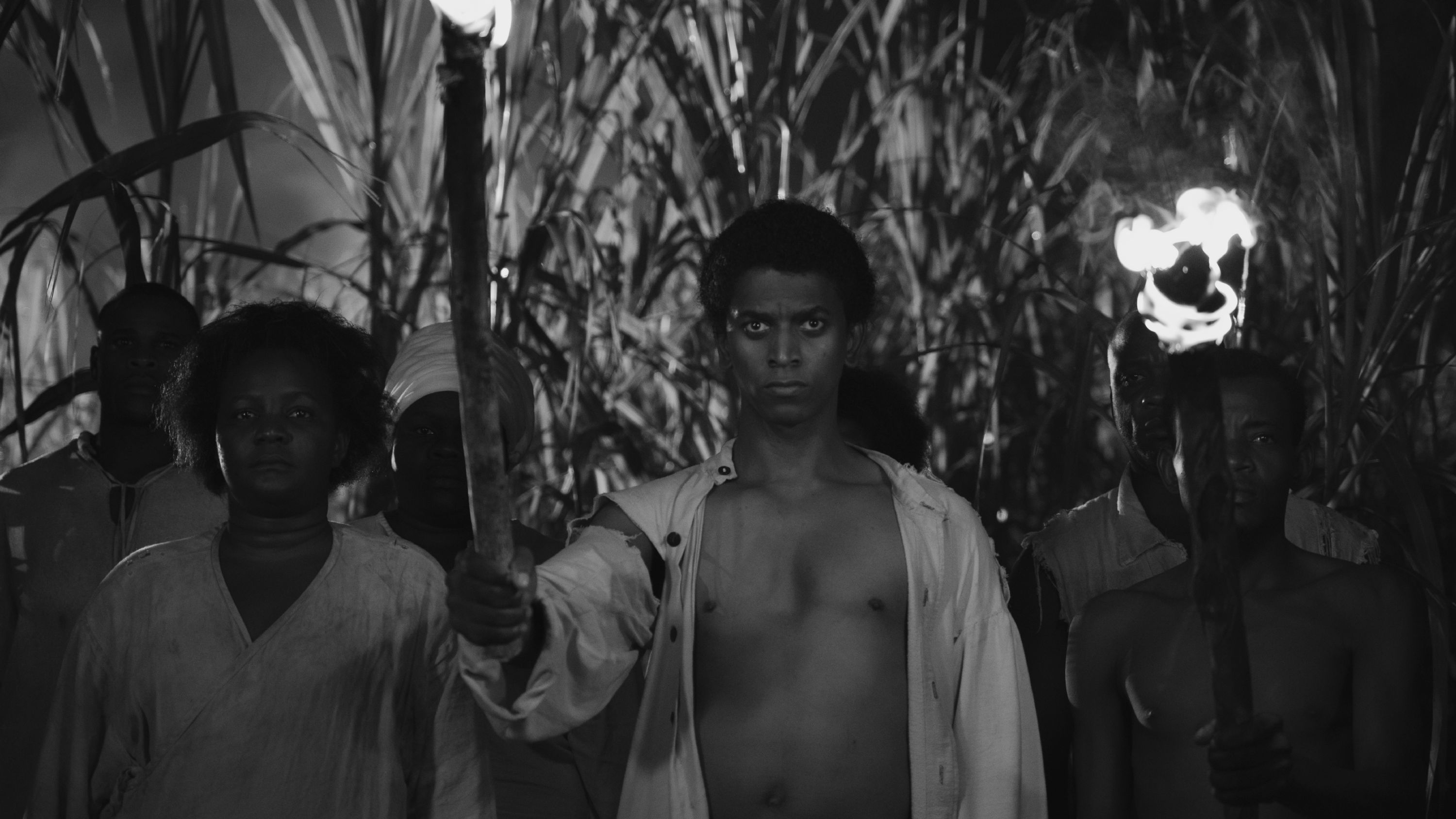
Black Zombie - Maya Annik Bedward’s documentary takes an in-depth look at the origins of the zombie movie. More specifically, it explains how the roots of undead chillers lie in the colonialism of Haiti, the slave trade, and an intentional misreading of Voudou (as it is spelled here). The earliest examples of the genre, dating back to the 1930s, typically had Black actors playing the zombies, reflecting that history. Later, the evolution of familiar tropes, many kicked off by George A. Romero’s 1968 classic Night of the Living Dead, is analyzed.
Special animus is reserved for Wes Craven’s 1988 The Serpent and the Rainbow, with Black Zombie explaining how its distortion of Voudou is actually quite racist. A compelling argument is made for its regressive nature, as it fell back on the biggest stereotypes regarding the Haitian people. Multiple historians appear on-camera to discuss this and other matters, as does makeup legend Tom Savini. The result is a stunning work of film criticism that deepens our understanding of how/why zombie entertainment continues to have strong resonance in pop culture. This is a documentary that needs to be seen by horror buffs everywhere.
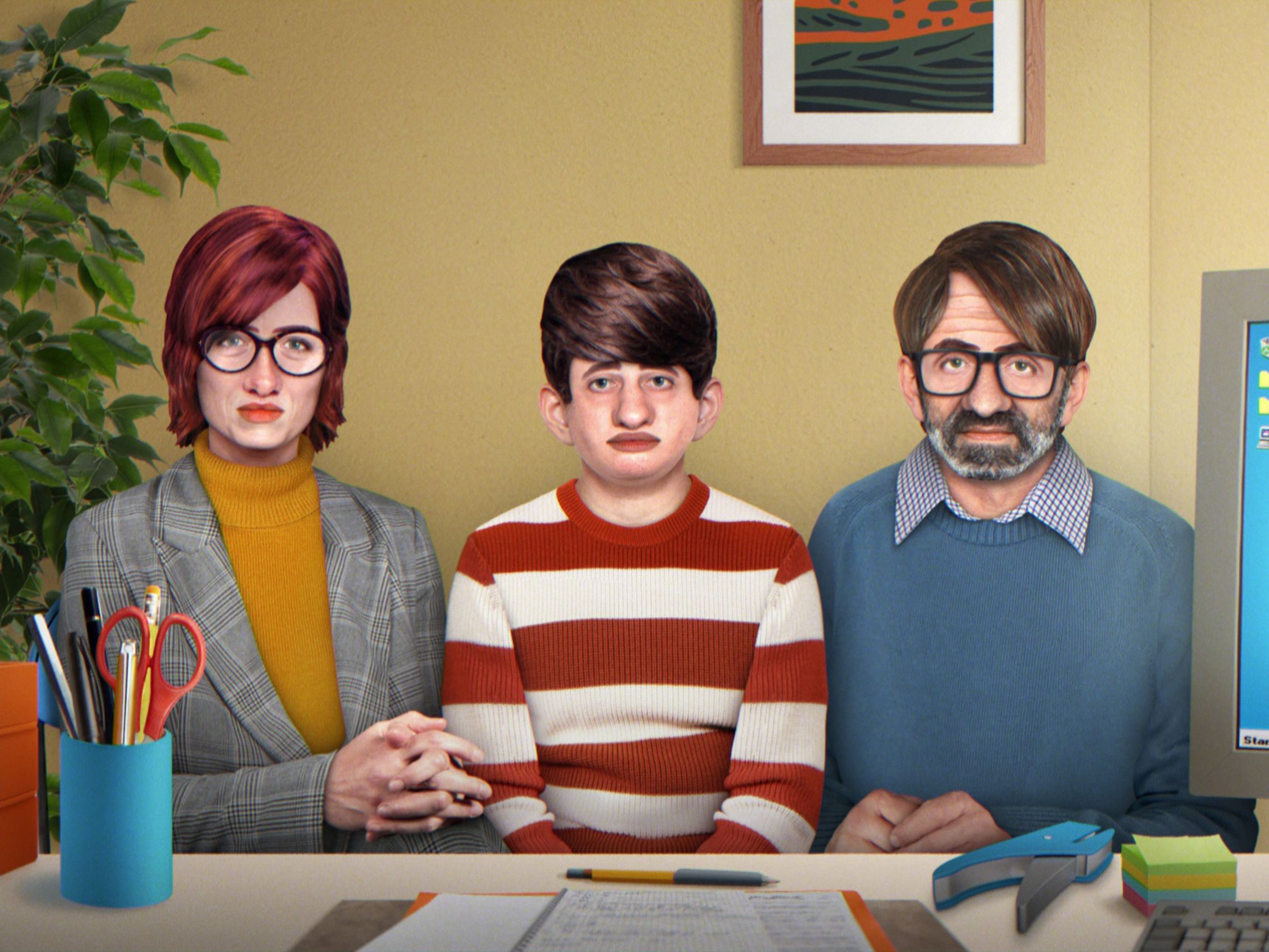
Blaise - Directors Jean-Paul Guigue and Dimitri Planchon have made one of the most unique animated features I’ve ever seen. It tells the story of an introverted 16-year-old boy named Blaise whose life is filled with cringe-worthy moments. He gets in trouble at school, reluctantly begins dating an adult woman who doesn’t know he’s a minor, and inadvertently becomes embroiled in a political revolution. His parents are no better. Mom falls into an affair with a female co-worker after trying to prove she’s not a taskmaster, while Dad obsesses over a family friend who confesses she once believed him to be a moron.
The movie has plenty of laugh-out-loud moments from these uncomfortable situations. Beyond that, the animation itself is hilarious. The characters are almost photorealistic, except that they all have a feature – hairstyle, nose, etc. – that’s comically exaggerated. Every time a new person showed up on screen, I chuckled at the kooky design. Fantasia’s program accurately described Blaise as a “comedy of embarrassment,” and I can think of no better term. Fans of cringe humor will be delighted by the non-stop awkwardness.
© 2026 Mike McGranaghan